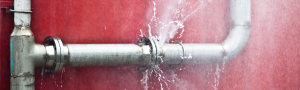
When temperatures plunged across Texas this past weekend in a powerful winter storm and Arctic air blast, homeowners and businesses faced dangerously cold conditions, ice, and widespread freeze warnings that put pipes and property at risk. From the Gulf Coast to East Texas and beyond, record-low temperatures well below freezing persisted, causing power and water outages and hazardous travel conditions statewide. (Texas Standard)
This sudden freeze has left many Texans dealing with burst pipes, water damage, and the stress of filing insurance claims. If you’ve been affected, understanding Texas water-damage insurance claims—what’s covered, what’s excluded, how to document your loss, and how insurers evaluate claims—is essential to protecting your claim and your property.
Why Winter Water Damage Is So Common in Texas
Most Texas properties aren’t built for prolonged subfreezing weather. When a hard freeze sets in, water in unprotected or uninsulated pipes can quickly freeze and expand, causing pipes to crack or burst. Once a pipe fails, water can spread rapidly—soaking walls, ceilings, flooring, electrical systems, and personal belongings.
Insurers will closely examine whether the damage was sudden and accidental (which is generally covered) versus the result of neglect or lack of maintenance (which may be excluded). That distinction is a cornerstone of how Texas water-damage insurance claims are handled.
What’s Typically Covered Under Texas Water-Damage Claims
In most standard Texas homeowners and commercial policies, coverage includes:
- Sudden and accidental water damage from burst or frozen pipes.
- Water from plumbing systems, appliances, and HVAC units.
- Resulting physical damage to structure and personal property.
If pipes froze and burst during the recent freeze—despite reasonable care—this type of loss is typically considered a covered peril. Policies are designed to respond when an unexpected event causes damage that the insured didn’t create or allow to happen.
Common Exclusions You Should Know
Even when the water damage itself might be covered, insurers often cite exclusions that can reduce or deny a claim:
- Failure to take reasonable care to maintain the property (e.g., not insulating exposed pipes in known cold weather).
- Gradual leaking or seepage over time, rather than a single sudden event.
- Vacant or unprotected properties during extreme weather.
- Certain mold or secondary damage, unless directly tied to a covered loss.
These exclusions make it critical to document both what happened and the steps you took to try to prevent or mitigate the damage.
Documentation Tips That Strengthen Your Claim
Strong documentation is often the difference between a smooth claim and a contested one. After winter-related water damage:
- Photograph or video all affected areas immediately.
- Capture timestamps if possible (camera metadata, phone timestamps, etc.).
- Keep records of local weather conditions during the freeze.
- Save repair estimates, plumber reports, and mitigation receipts.
- Log the date and time you discovered the damage and when you reported it to your insurer.
The more evidence you have, the easier it is to show that the loss resulted from the recent freeze event—not from pre-existing conditions or neglect.
Mitigation Rules in Texas Insurance Policies
Most policies require policyholders to mitigate further damage once a loss occurs. That means you should:
- Shut off water to prevent additional flooding.
- Extract standing water and begin drying affected areas.
- Make temporary repairs to reduce ongoing harm.
Keep receipts and photos before and after mitigation work, but do not make permanent repairs until after the insurer has had a chance to inspect—unless it’s necessary to prevent further damage.
How Insurers Evaluate Winter Water-Damage Claims
When an insurer evaluates your claim after a freeze event, they will consider:
- Whether the damage was sudden and accidental.
- Maintenance history and precautions taken.
- The timing of discovery and reporting of the loss.
- Consistency between documented damage and the policy language.
Disputes can arise over everything from causation to scope, which is why clear evidence and professional support matter.
Recent Freeze Impact in Texas: What You Should Know
Texas saw a significant winter storm this past weekend, bringing freezing rain, snow, and Arctic cold that drove temperatures well below freezing for extended periods. Travel was hazardous, schools and offices closed, and power and water outages were widespread in parts of southeast Texas. (Texas Standard)
Conditions like these create a high risk of frozen plumbing, burst pipes, and subsequent water damage—even in areas that rarely see temperatures this low. If you noticed pipe issues, flooding, or leaks during or after the freeze, don’t wait to act.
We’re Here to Help: Free Claim Reviews
If you experienced water damage during the recent freeze—or anytime this winter—our team can help you make sense of your Texas water-damage insurance claim. We offer:
- Free claim reviews to assess your situation.
- Guidance on documentation and coverage.
- Help communicating with your insurance company.
- Support if your claim was delayed, underpaid, or denied.
Contact us today to learn your rights, understand your policy, and ensure your claim is evaluated fairly.
Final Thoughts
Unexpected winter water damage doesn’t have to turn into a battle with your insurer. Understanding your policy, documenting your loss carefully, and acting promptly can protect both your property and your claim.
If you’ve been affected by the recent Texas freeze and need help with Texas water-damage insurance claims, we’re here to support you every step of the way.