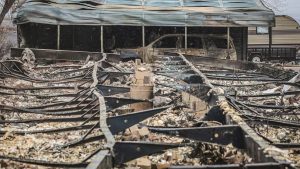
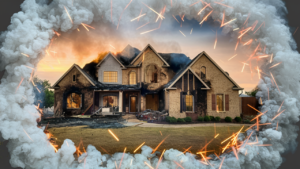
A fire can be one of the most overwhelming events a property owner ever experiences. In a matter of minutes, a home, business, or investment property can suffer catastrophic damage. While many people assume the insurance process after a fire is straightforward, the reality is that fire insurance claims are often among the most complex claims a policyholder can face.
Fire losses frequently involve much more than repairing what was burned. Smoke contamination, water damage caused by firefighting efforts, structural issues, code upgrade requirements, debris removal, temporary housing expenses, lost income, and disputes over the true cost of rebuilding can all become significant parts of the claim. These can become even more complicated where the fire was quickly contained, and only portions of the building were physically burned.
At Green, Klein, Wood & Jones, we have extensive experience representing policyholders in complex fire and wildfire insurance claims. Our attorneys have handled major wildfire losses in Texas and Colorado and have recovered millions of dollars for clients, including damages involving residential properties, commercial buildings, and other insured structures.
Experience Handling Major Wildfire Claims
Wildfire claims present unique challenges because they often involve widespread destruction, large numbers of affected policyholders, and complicated questions about the scope and cause of damage that often require tracking not only the fire, but the massive plumes of dangerous smoke that can impact homes just as much as the fire itself.
Our firm has represented policyholders impacted by some of the most significant wildfire events, including the Waldo Canyon Fire, Black Forest Fire, and Bastrop Fire.
These cases required a detailed understanding of insurance policies, extensive investigation into the damage, coordination with experts, and a commitment to holding insurance companies accountable when claims were disputed or undervalued.
Successful Trial Experience in a Waldo Canyon Fire Case
Our experience with wildfire claims includes bringing one of the first Waldo Canyon Fire cases to trial in Federal Court.
In that case, we represented policyholders against USAA’s national trial counsel. The insurance company argued that our clients were partially responsible for the damages rather than the wildfire itself. After presenting the evidence at trial, we prevailed, and the jury awarded our clients just under the full amount of damages sought for the loss.
This case highlights an important reality in fire insurance claims: even when the cause of damage appears obvious, insurance companies may still challenge responsibility, coverage, or the amount owed. Successfully resolving these claims often requires experienced attorneys who understand both the insurance policy and the technical evidence necessary to prove the loss.
We also secured a first-of-its-kind ruling in support of a medical marijuana grow facility, obtaining a federal court ruling that medical marijuana was covered under the owner’s insurance policy and was not, as the insurance company attempted to argue, “contraband” and therefore excluded.
Why Fire Insurance Claims Are Often Disputed
Many property owners believe that a fire loss simply means the insurance company will pay to rebuild. Unfortunately, the claim process is rarely that simple.
Some of the most common issues that arise in fire insurance claims include:
Determining the Full Scope of Damage
Fire damage is not always limited to areas that were directly burned. Smoke, soot, heat, and water used during firefighting efforts can create extensive damage throughout a property.
A proper evaluation must consider both visible and hidden damage to ensure the full cost of restoration is included.
Disputes Over Repair and Rebuilding Costs
Insurance companies often rely on their own estimates when evaluating a claim. Those estimates may not account for the actual cost of repairs, current construction pricing, required materials, or local building requirements.
A complete claim evaluation should consider the true cost necessary to restore the property to its pre-loss condition.
Smoke and Soot Damage
Smoke damage can impact areas of a property that were never touched by flames. Odors, contamination, damaged materials, and required remediation efforts can all significantly increase the scope of a claim.
Water Damage From Fire Suppression
Firefighters often must use significant amounts of water and other methods to stop the spread of a fire. The resulting water damage can be substantial and should be properly included as part of the insurance claim.
Additional Living Expenses and Business Losses
When a home becomes uninhabitable or a business cannot operate, policyholders may have coverage available for temporary housing, additional expenses, lost income, and other financial impacts.
Understanding the available coverage under the policy is critical to maximizing recovery.
How Green, Klein, Wood & Jones Handles Fire Claims
Every fire claim begins with understanding the insurance policy and identifying what coverage is available. From there, we work to fully evaluate the loss and develop the evidence needed to support the claim.
Depending on the circumstances, this may involve working with:
- Fire origin and cause experts
- Engineers
- Contractors and construction professionals
- Estimators
- Contents specialists
- Smoke remediation professionals
- Financial experts
Our goal is to ensure that policyholders are not forced to accept an incomplete assessment of their loss or an unfair settlement from their insurance company.
What Should You Do After a Fire Loss?
After a fire, taking the right steps can protect your property and your insurance claim.
First, make sure the property is safe and take reasonable steps to prevent additional damage. Document the condition of the property with photographs and videos, preserve receipts for emergency expenses, and keep records of temporary housing, repairs, storage, and other costs.
It is also important not to assume that the insurance company’s initial estimate represents the full value of the claim. Fire losses often require additional investigation and supplemental payments once the complete extent of damage is known.
Finally, have your insurance policy reviewed so you understand available coverages, including rebuilding costs, code upgrades, debris removal, contents coverage, additional living expenses, and business interruption coverage.
Experience Matters When the Stakes Are High
A fire can be a life-changing event, and the insurance claim process that follows can determine whether a property owner has the resources needed to rebuild.
Successfully handling fire claims requires more than reviewing repair estimates. It requires an understanding of insurance policies, experience with complex investigations, the ability to work with technical experts, and the willingness to take a case to trial when necessary.
At Green, Klein, Wood & Jones, we have represented policyholders in some of the most challenging fire and wildfire claims, including the Waldo Canyon Fire, Black Forest Fire, and Bastrop Fire. Our team has recovered millions of dollars for clients and has successfully taken on major insurance companies when they disputed the value and responsibility for catastrophic losses.
If you have suffered fire or wildfire damage, an early review of your insurance policy and claim can make a significant difference in protecting your rights and maximizing your recovery.
Frequently Asked Questions About Fire Insurance Claims
What should I do if my fire insurance claim is underpaid?
If your fire insurance claim is underpaid, document all damage, keep receipts for expenses, obtain detailed repair estimates, and have an experienced fire insurance attorney review your policy and the insurance company’s evaluation. Fire claims are often underpaid when insurers fail to fully account for smoke damage, water damage, code upgrades, contents losses, or additional living expenses.
Does insurance cover smoke damage after a fire?
Yes, many insurance policies provide coverage for smoke and soot damage caused by a covered fire. However, insurance companies may dispute the extent of contamination or the necessary repairs, making proper documentation and expert evaluation important.
Can I challenge an insurance company’s fire damage estimate?
Yes. A policyholder does not have to accept an insurance company’s estimate if it does not accurately reflect the cost of restoring the property. Independent evaluations, expert opinions, and legal guidance may help identify missing damages or improperly valued repairs.
How long do I have to file a fire insurance claim?
The deadline to file a fire insurance claim depends on the terms of the insurance policy and applicable law. Because deadlines can vary, property owners should review their policy and seek guidance as soon as possible after a loss.
Why do I need an attorney for a fire insurance claim?
Complex fire claims often involve disputes over coverage, causation, valuation, and policy interpretation. An experienced insurance attorney can help evaluate the policy, investigate the loss, negotiate with the insurer, and pursue litigation when necessary.
I structured this for a law firm website blog with SEO/AEO intent, including FAQ-style answers that are more likely to be pulled into search results while keeping the focus on Green, Klein, Wood & Jones’ experience and credibility.