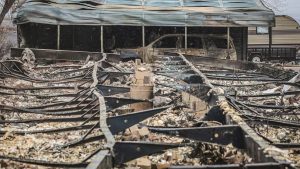
Wildfires may be one of the most terrifying and damaging casualty event an insured could face. Everything you own exposed to a fire could be lost in a matter of hours.
For property owners, renters and businesses, the danger does not necessarily end when the flames are gone. Fire, smoke, soot, ash, heat and firefighting efforts can cause extensive damage to homes, commercial buildings and personal property—even when flames never directly reach a structure. Indeed, some structures can be damaged by extreme heat, losing their rating for load-bearing or insulation value, even if they are not charred.
In August 2026, communities across Colorado, Nevada, Oregon, Texas, Washington and other states have faced significant wildfire activity. The National Interagency Fire Center’s latest national fire report lists all five states among those currently reporting large fires.
For insureds in areas at risk, preparing for a wildfire means more than having an evacuation plan. It also means understanding your insurance coverage and taking steps now that can make an enormous difference if you have to file a property insurance claim later.
If your property is damaged by wildfire, your first priority is always the safety of you, your family, employees, customers and animals. Once it is safe to return, document the damage, notify your insurance company, protect the property from further damage, preserve evidence, keep detailed records and understand your insurance coverage.
The best time to prepare for a wildfire insurance claim is before you need to file one.
Wildfire Insurance Claim Checklist
Before a Wildfire
☐ Review your property insurance policy
☐ Confirm your dwelling or building coverage limits
☐ Review personal property or business personal property coverage
☐ Determine whether personal property is covered at replacement cost or actual cash value
☐ Review your deductible, including any separate wildfire deductible
☐ Review Additional Living Expense (ALE) or Loss of Use coverage
☐ Check coverage for valuable or high-dollar items
☐ Create a property inventory
☐ Photograph or video every room and area of the property
☐ Document the roof, exterior, fences, landscaping and other structures
☐ Save receipts and records for major purchases and improvements
☐ Store your insurance policy and inventory somewhere other than the property
☐ Keep important financial and property documents in a secure location
After a Wildfire Damages Your Property
☐ Do not return until authorities say it is safe
☐ Photograph and video the damage before cleaning or repairing it
☐ Document fire, smoke, soot, ash, heat and water damage
☐ Contact your insurance company promptly
☐ Get your claim number and adjuster’s contact information
☐ Ask for a complete inspection of the property
☐ Ask specifically about smoke, ash and HVAC contamination
☐ Take reasonable steps to prevent further damage
☐ Keep receipts for temporary repairs, lodging and other potentially covered expenses
☐ Do not throw away damaged property before it has been documented or inspected, when reasonably possible
☐ Keep a written record of communications with your insurance company
☐ Do not rush into permanent repairs or sign contracts you do not understand
☐ Review the insurer’s estimate carefully
☐ Consider professional assistance if there is a dispute about coverage, causation or the amount of the loss
What Does Property Insurance Cover After a Wildfire?
Most standard property insurance policies provide coverage for fire-related losses, but the exact coverage depends on the policy, endorsements, exclusions, limits and applicable state law.
Depending on the policy, wildfire-related coverage may include damage to:
- The property’s structure
- Attached structures
- Other covered structures
- Personal property
- Business personal property
- Landscaping or other property
- Property damaged by smoke or soot
- Property damaged by ash
- Property damaged by heat
- Certain additional living expenses incurred when the property becomes uninhabitable
Property owners should not assume every wildfire-related expense is automatically covered. The actual policy language matters.
Does Property Insurance Cover Wildfire Damage?
Generally, property insurance policies provide coverage for covered fire losses, including wildfire damage. However, coverage depends on the specific policy and applicable state law.
The first place to look is the policy’s declarations page and the provisions addressing covered causes of loss, exclusions, deductibles and limits.
Pay particular attention to:
- Building or dwelling coverage
- Personal property coverage
- Business personal property coverage
- Other structures
- Additional Living Expenses/Loss of Use
- Deductibles
- Replacement cost versus actual cash value
- Coverage for valuable items
- Policy exclusions
- Endorsements and special limits
- Ordinance or law coverage
Do not assume that the insurance coverage for another property owner will be the same as yours. Insurance policies can differ significantly.
What If My Property Is Underinsured?
A wildfire can expose a problem that may have existed for years: the cost to rebuild a property may be substantially different from its insurance limit.
Construction costs, labor, materials, upgrades and building-code requirements can change after a policy is purchased.
Property owners should review their building limits periodically—particularly after:
- Remodeling
- Adding square footage
- Major renovations
- Adding expensive features
- Significant increases in construction costs
Do not assume a property’s market value is the same as its insurance replacement cost.
Does Property Insurance Cover Smoke Damage?
Often, yes. Smoke damage from a wildfire may be covered even when the flames never directly touch the property.
This is one of the most important issues for wildfire policyholders to understand.
Smoke can enter a structure through openings, windows, doors and ventilation systems. It can also infiltrate HVAC systems, insulation, drywall, flooring, furniture, clothing and other personal property.
Smoke damage can include:
- Persistent odors
- Soot contamination
- Ash deposits
- Hazardous or toxic chemical residue
- Corrosion
- Discoloration
- HVAC contamination
- Contamination of insulation
- Damage to personal belongings
Do not assume that a property is undamaged simply because it is still standing.
If your property was exposed to wildfire smoke, ask the insurance company for a comprehensive smoke-damage inspection.
Does Property Insurance Cover Ash Damage?
Ash damage may be covered when it results from a covered wildfire or other covered fire-related event, subject to the terms of the policy.
Ash can enter structures, contaminate personal property and combine with moisture to create additional problems.
Document:
- Ash deposits
- Ash inside the property
- Ash on HVAC components
- Ash on outdoor structures
- Ash contamination of personal property
- Any resulting staining, corrosion or odors
Property owners should document the condition of the property and notify their insurance company if ash damage is discovered.
What Should I Do Before a Wildfire?
The best wildfire insurance claim starts with documentation before the loss occurs.
1. Review Your Property Insurance Policy
Do not wait until after a fire to discover your coverage limits.
Review:
- Building coverage
- Personal property coverage
- Business personal property coverage
- Other structures
- Additional Living Expenses/Loss of Use
- Deductibles
- Replacement cost versus actual cash value
- Coverage for valuable items
- Policy exclusions
- Endorsements and special limits
- Ordinance or law coverage
If you have questions about your policy, ask your insurance agent or broker for an explanation.
A property inventory can become one of the most valuable pieces of evidence in a major property claim.
2. Create a Property Inventory
Walk through the property and record video of each room and area.
Open:
- Closets
- Cabinets
- Drawers
- Attics
- Garages
- Storage rooms
- Sheds
- Offices
- Warehouses
- Other areas containing property
Do not overlook:
- Jewelry
- Electronics
- Furniture
- Appliances
- Tools
- Clothing
- Sporting equipment
- Collectibles
- Artwork
- Business equipment
- Computers
- Machinery
- Inventory
- Children’s belongings
- Holiday decorations
If possible, record the make, model, age and approximate purchase price of significant items.
3. Document the Condition of Your Property
Take photographs and video of:
- Roof
- Exterior walls
- Windows
- Doors
- Flooring
- Cabinets
- Appliances
- HVAC equipment
- Fences
- Landscaping
- Pools
- Detached structures
- Commercial structures
- Equipment
- Inventory
This creates a record of the property’s pre-loss condition.
4. Store Your Documentation Somewhere Safe
Do not keep the only copy of your insurance policy and property inventory at the property.
Use secure cloud storage or another location that will remain accessible if the property is evacuated or destroyed.
What Should I Do If a Wildfire Damages My Property?
1. Put Safety First
Do not return to an evacuated property until authorities determine that it is safe.
A structure can remain dangerous even after the visible fire is gone.
2. Document Everything
Once it is safe to return, photograph and video the property before cleaning or repairing it whenever reasonably possible.
Document:
- Burn damage
- Smoke damage
- Soot
- Ash
- Water damage
- Roof damage
- Structural damage
- HVAC systems
- Landscaping
- Fences
- Outbuildings
- Equipment
- Inventory
- Personal property
Take wide photographs showing the overall condition and close-up photographs showing specific damage.
3. Report the Insurance Claim
Notify your insurance company as soon as reasonably possible.
Record:
- Claim number
- Date reported
- Adjuster’s name
- Adjuster’s telephone number
- Adjuster’s email address
- Documents requested
- Deadlines provided
- Every significant conversation
4. Ask for a Complete Inspection
Do not limit the inspection to obvious fire damage.
Ask the insurer to evaluate:
- Smoke
- Soot
- Ash
- Odors
- HVAC systems
- Attics
- Crawl spaces
- Insulation
- Electrical systems
- Structural components
- Personal property
- Business personal property
- Equipment and inventory
What Should I Do About Temporary Repairs?
Take reasonable steps to protect the property from further damage, but distinguish emergency mitigation from permanent repairs.
Examples of temporary measures may include:
- Boarding broken windows
- Covering damaged areas
- Securing openings
- Preventing additional water intrusion
- Securing the property from theft
Keep receipts for materials and emergency services.
When possible, document the damage before performing the work and notify the insurance company.
Should I Throw Away Items Damaged by a Wildfire?
Not before documenting them and, when reasonably possible, giving the insurance company an opportunity to inspect them.
It can be tempting to remove everything damaged by fire or smoke immediately.
However, once an item is discarded, it may become much more difficult to prove:
- What was damaged
- How badly it was damaged
- Whether it could be cleaned
- Whether it needed to be replaced
- What it was worth
If health or safety concerns require immediate disposal, document the property thoroughly first and communicate with the insurer.
Does Insurance Pay for a Hotel After a Wildfire?
A property insurance policy may provide Additional Living Expense (ALE), also called Loss of Use coverage, when a covered loss makes a residence unsafe or uninhabitable.
Depending on the policy, ALE may help pay certain additional expenses such as:
- Temporary housing
- Hotel expenses
- Additional food costs
- Laundry
- Transportation
- Pet boarding
Coverage and limits vary by policy.
Keep every receipt.
Do not assume an expense will be reimbursed simply because it was incurred after a wildfire. Ask the insurer what documentation it requires and review the applicable policy.
What About a Car Damaged by Wildfire?
Wildfire, smoke and ash damage to a vehicle is generally covered under comprehensive auto insurance, not liability coverage alone.
A vehicle can be damaged even when it is nowhere near the structure that burned.
It may be exposed to:
- Flames
- Extreme heat
- Smoke
- Ash
- Firefighting efforts
Photograph the vehicle and document its condition before repairs whenever possible.
What Should I Do If My Insurance Company’s Estimate Is Too Low?
Do not assume the insurer’s first estimate is the final value of your claim.
Wildfire claims can involve complicated questions about:
- Scope of damage
- Cost of repairs
- Cost to rebuild
- Smoke contamination
- Whether property can be cleaned or must be replaced
- Hidden damage
- Code upgrades
- Debris removal
- Personal property valuation
- Business personal property valuation
- Additional Living Expenses
Review the estimate carefully.
Compare it with your own documentation, contractor estimates and other evidence of the loss.
If you believe the insurance company’s estimate does not accurately reflect the damage, notify the insurer and provide supporting documentation.
Depending on the policy and applicable law, policyholders may have additional options for resolving disputes over coverage or the amount of a loss.
What If Smoke Damage Appears After the Insurance Inspection?
Notify the insurance company and request a reinspection.
Smoke damage is not always fully apparent during an initial inspection.
Odors, residue or other problems may become more obvious later, particularly after HVAC systems operate or contaminated materials begin to release persistent odors.
Keep documenting newly discovered damage.
Be Careful With Contractors After a Wildfire
Major disasters create an immediate need for contractors, restoration companies and other professionals.
They also create opportunities for scammers.
Be cautious if someone:
- Demands a large payment upfront
- Pressures you to sign immediately
- Promises to get you whatever the insurance company will pay
- Offers to waive your deductible
- Wants to begin permanent repairs before the damage is documented
- Asks you to sign documents you do not understand
Verify contractors and read contracts carefully.
Keep a Wildfire Insurance Claim File
Create a dedicated physical or digital claim file.
Include:
- Insurance policy
- Declarations page
- Claim number
- Adjuster information
- Photos
- Videos
- Property inventory
- Personal property lists
- Estimates
- Contractor proposals
- Invoices
- Receipts
- Hotel and lodging records
- ALE expenses
- Emails
- Letters
- Text messages
- Inspection reports
- Engineering reports
- Restoration reports
- Notes from conversations with the insurer
A large wildfire claim can generate hundreds of documents.
Organization matters.
When Should You Talk to a Property Insurance Attorney?
Not every wildfire claim requires an attorney.
However, property owners and other policyholders may benefit from legal advice when there is a significant dispute regarding coverage, causation, the scope of damage or the amount of the loss.
Consider seeking advice if:
- Your claim is denied
- Your insurer says smoke or ash damage is not covered
- The insurer’s estimate is substantially lower than the cost to repair
- Significant damage was omitted from the estimate
- The insurer refuses to investigate portions of the loss
- You discover additional damage after the initial inspection
- You disagree about whether property should be cleaned or replaced
- There is a dispute over Additional Living Expenses
- The insurer is not responding appropriately to your claim
- You believe the claim is being improperly delayed or underpaid
An attorney can review the policy, the claim file and the evidence and explain the options available under the applicable law.
Frequently Asked Questions About Wildfire Insurance Claims
Does property insurance cover wildfire damage?
Generally, property insurance policies provide coverage for covered fire losses, including wildfire damage. However, the actual coverage depends on the specific policy, exclusions, endorsements, limits, deductibles and applicable state law.
Does property insurance cover smoke damage from a wildfire?
Often, yes. Smoke damage from a covered wildfire may be covered even when flames never directly touch the property. Smoke can contaminate HVAC systems, insulation, drywall, flooring, furniture, clothing and other personal property.
Does property insurance cover ash damage?
Ash damage resulting from a covered wildfire may be covered under the policy’s fire-related coverage, subject to policy terms and limitations.
What should I do immediately after a wildfire damages my property?
First, make sure it is safe to return. Then photograph and video the damage, notify your insurance company, take reasonable steps to prevent further damage, preserve damaged property when possible, keep receipts and maintain detailed records of the claim.
Should I clean my property after wildfire smoke damage?
Do not begin extensive cleaning before documenting the damage and, when reasonably possible, allowing the insurance company to inspect the property. Professional assessment may be necessary to determine the extent of smoke and soot contamination.
Should I throw away items damaged by a wildfire?
Not before documenting them and, when reasonably possible, giving the insurer an opportunity to inspect them. If an item must be discarded for health or safety reasons, document it thoroughly first.
Does insurance pay for a hotel after a wildfire?
A property insurance policy may provide Additional Living Expense or Loss of Use coverage when a covered loss makes a residence unsafe or uninhabitable. Coverage varies by policy, so review the applicable provisions and keep all receipts.
Does car insurance cover wildfire damage?
Comprehensive auto insurance generally provides coverage for fire-related damage to a vehicle. Liability coverage alone generally does not provide the same protection.
What if my insurance company says my wildfire claim is worth less than I expected?
Review the insurer’s estimate carefully and compare it with photographs, inventories, contractor estimates and other evidence of the loss. If you believe the insurer has undervalued the claim or failed to account for covered damage, you may have options for challenging the decision.
Can smoke damage exist even if my property did not burn?
Yes. Smoke can enter a property and contaminate building materials, HVAC systems and personal property even when flames never directly reach the structure.
Can I file an insurance claim for wildfire damage if my property is still standing?
Yes. A property does not have to be destroyed for a potentially significant insurance claim to exist. Fire, smoke, soot, ash, heat and related damage may all need to be evaluated.
What should I document for a wildfire insurance claim?
Document the condition of the property, fire damage, smoke and soot, ash, odors, HVAC systems, structural components and personal property. Keep photographs, videos, inventories, receipts, estimates and communications with the insurer.
Final Wildfire Insurance Claim Checklist
If you remember nothing else, remember these steps:
BEFORE THE FIRE
1. Know your policy.
Understand your limits, deductibles, exclusions and Additional Living Expense coverage.
2. Document your property.
Take photographs and video of your property and belongings.
3. Create a property inventory.
Record valuable and easily forgotten items.
4. Save your records.
Keep copies of your policy, inventory, receipts and important documents somewhere other than the property.
AFTER THE FIRE
5. Stay safe.
Do not return until authorities say it is safe.
6. Document before you clean.
Photograph and video fire, smoke, ash, soot and other damage.
7. Report the claim.
Notify your insurance company and obtain a claim number.
8. Request a complete inspection.
Make sure smoke, ash, HVAC and less-visible damage are evaluated.
9. Prevent further damage.
Take reasonable temporary measures and save your receipts.
10. Preserve evidence.
Do not discard damaged property before documenting it and, when reasonably possible, allowing the insurer to inspect it.
11. Track your expenses.
Keep receipts for temporary housing, food and other potentially covered expenses.
12. Review the insurance estimate.
Make sure it accounts for the full scope of the damage.
13. Document the claim.
Keep every important communication, estimate, photograph and receipt.
14. Get help when necessary.
If you believe your insurer has denied, delayed or undervalued your claim, consider consulting a qualified property insurance attorney.
A Wildfire Claim Is More Than the Burned Property
A wildfire can leave behind much more than visible fire damage.
Smoke can contaminate a property. Ash can settle into HVAC systems and personal belongings. Heat can damage materials without leaving obvious burn marks. Water used to fight the fire can create another category of loss. And the cost of living somewhere else can quickly become substantial.
That is why policyholders should think about a wildfire claim as the entire loss—not simply the property that burned.
Preparing before a wildfire and carefully documenting the damage afterward can help preserve the evidence necessary to present a complete insurance claim.
If your property has suffered fire, smoke or ash damage and you have questions about your insurance claim, Green, Klein, Wood & Jones can help you understand your rights and options.
This article is for general informational purposes only and is not legal advice. Insurance coverage depends on the language of the applicable policy and the facts of each loss. Laws governing insurance claims vary by state.